


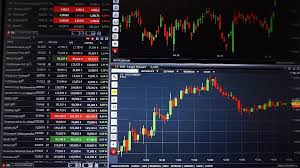
In today’s fast-paced financial world, Forex trading has emerged as a leading avenue for investors and traders seeking to capitalize on market fluctuations. The allure of Forex trading lies in its ability to offer high liquidity, the potential for substantial returns, and a 24/5 operating schedule. Whether you are a novice or an experienced trader, it’s crucial to equip yourself with the right knowledge and tools to thrive in this dynamic market. Websites like forex trading site kuwait-tradingplatform.com provide valuable resources to help you get started.
What is Forex Trading?
The foreign exchange market, or Forex, is a global decentralized marketplace where currencies are traded. Unlike other financial markets, the Forex market operates without a centralized exchange, allowing for continuous trading around the clock. This unique structure provides significant advantages, such as unprecedented access to market information and trading opportunities at almost any time.
Understanding Currency Pairs
In Forex trading, currencies are traded in pairs. Each pair represents the value of one currency relative to another. The first currency in a pair is known as the base currency, while the second is the quote currency. For example, in the EUR/USD pair, the Euro is the base currency, and the US Dollar is the quote currency. Understanding how to read and analyze currency pairs is foundational for successful trading.
The Role of Leverage in Forex Trading
One of the most attractive aspects of Forex trading is the availability of leverage. Leverage allows traders to control larger positions than their initial investment would typically permit. For example, with 100:1 leverage, a trader can control a $100,000 position with only $1,000 in their trading account. However, while leverage can magnify profits, it can also amplify losses, making risk management crucial.
Key Strategies for Successful Forex Trading
To excel in Forex trading, traders often employ various strategies tailored to their specific goals and market conditions. Here are some essential strategies:
- Day Trading: Involves executing trades within a single day, taking advantage of short-term price movements.
- Swing Trading: Focuses on holding positions for several days or weeks to benefit from expected market swings.
- Position Trading: A long-term strategy where traders maintain positions for months or even years, relying on fundamental analysis.
- Scalping: A high-frequency trading strategy that aims to profit from small price changes, often executing dozens or hundreds of trades in a day.
The Importance of Risk Management
Effective risk management is vital in Forex trading. It helps protect your capital and ensures you can continue trading even in unfavorable market conditions. Here are some key risk management techniques:
- Setting Stop-Loss Orders: Automatically close a trade at a predetermined price to limit losses.
- Diversifying Your Portfolio: Don’t concentrate all your investments in a single currency pair; diversify to mitigate risk.
- Using Proper Position Sizing: Determine how much of your total capital you are willing to risk on a single trade.
Technical vs. Fundamental Analysis
Successful Forex traders rely on both technical and fundamental analyses to make informed decisions. Technical analysis involves evaluating price charts and using indicators, while fundamental analysis examines economic indicators, news events, and geopolitical factors affecting currency values.
Understanding these analyses can significantly enhance your trading proficiency and help you make calculated decisions based on market behavior.
The Role of Trading Psychology
Trading psychology plays an important role in your success as a Forex trader. Many traders struggle with emotional decision-making, which can result in significant losses. Here are some psychological aspects to consider:
- Discipline: Stick to your trading plan and avoid impulsive decisions based on emotions.
- Patience: Wait for the right trading opportunities rather than forcing trades.
- Confidence: Develop a belief in your trading strategy and stick with it, even during challenging times.
Choosing the Right Forex Broker
The choice of a Forex broker can greatly influence your trading experience. Look for brokers that offer competitive spreads, a user-friendly trading platform, educational resources, and reliable customer support. Regulatory oversight is also important; ensure that your broker is registered with relevant financial authorities to enhance your trading security.
The Impact of Economic Indicators
Economic indicators, such as inflation rates, employment figures, and interest rates, significantly impact currency values. Being aware of upcoming economic data releases and understanding how they influence the market is essential for successful Forex trading. Traders often keep a calendar of economic events to help them anticipate market volatility.
Building a Trading Plan
A well-defined trading plan should encompass your trading strategy, risk management rules, and personal trading goals. This plan serves as a roadmap, guiding you through the various market conditions while enhancing your chances of success. Review and adjust your trading plan regularly as you gain more experience and insights into the market.
Continuous Learning and Adaptation
The Forex market is constantly evolving, and continuous learning is vital for success. Stay updated with market trends, participate in webinars, read books, and join trading communities to share insights with other traders. Adaptation is also crucial; be prepared to modify your strategies in response to changing market conditions.
Conclusion
Forex trading is a complex yet rewarding endeavor that requires knowledge, discipline, and the right tools. By mastering the key concepts of currency trading, implementing effective strategies, managing risk, and continuously learning, you can foster a successful trading career. Remember to always trade responsibly and stay informed about market developments. The world of Forex trading awaits, and with the right approach, you can make it a significant part of your financial journey.