


The Ultimate Guide to Forex Currency Trading Online
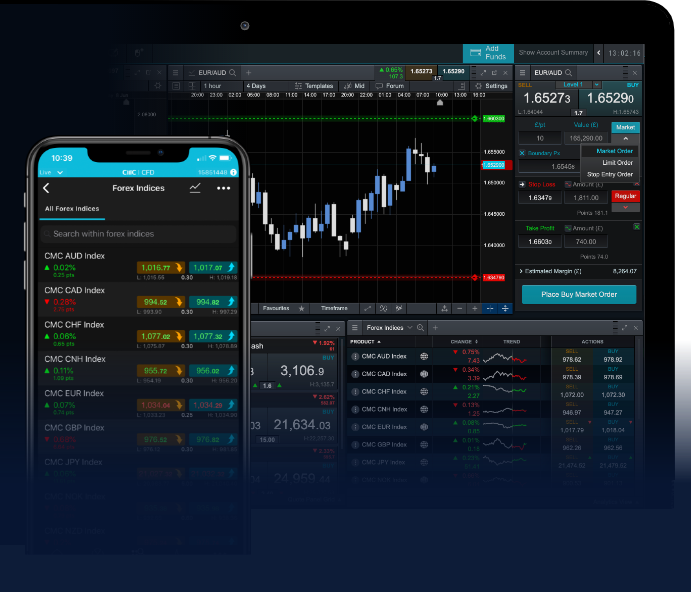
Welcome to the exciting world of Forex currency trading online! As one of the largest financial markets globally, the Forex market offers myriad opportunities for investors and traders alike. If you’re looking to dive into the realm of online currency trading, it’s crucial to have a solid understanding of the market dynamics, tools, and strategies. In this guide, we’ll explore the various aspects of Forex trading, and for further enhancement, check out the forex currency trading online Best Trading Apps.
What is Forex Trading?
Forex trading, or foreign exchange trading, involves buying and selling currencies on the global market. The primary goal is to profit from the fluctuations in currency values. The Forex market operates 24 hours a day, five days a week, with traders from around the globe actively participating at various times. This decentralized market includes banks, financial institutions, corporations, and individual retail traders.
Understanding Currency Pairs
In Forex trading, currencies are quoted in pairs. Each pair consists of a base currency and a quote currency. For example, in the EUR/USD pair, the Euro is the base currency, and the US Dollar is the quote currency. Traders speculate on whether the base currency will appreciate or depreciate relative to the quote currency. If you believe the Euro will strengthen against the Dollar, you would buy the EUR/USD pair. Conversely, if you think the Euro will weaken, you would sell the pair.
The Role of Leverage
Leverage is a powerful tool in Forex trading, allowing traders to control larger positions with a smaller amount of capital. For example, with a leverage ratio of 100:1, a trader can control a $100,000 position with just $1,000 in their account. While leverage amplifies potential profits, it also increases the risk of significant losses. Therefore, it’s essential for traders to manage their leverage and use risk management strategies effectively.
Essential Forex Trading Strategies
Successful Forex trading often relies on a well-defined strategy. Here are some popular trading strategies:
- Day Trading: This strategy involves opening and closing positions within the same trading day. Day traders aim to capitalize on short-term price movements.
- Swing Trading: Swing traders hold positions for several days to weeks, taking advantage of price swings or trends.
- Scalping: Scalpers focus on making small profits from numerous trades throughout the day. They typically hold positions for a very short time.
- Position Trading: This long-term strategy involves holding positions for weeks or months, based on fundamental analysis.

Using Technical Analysis in Forex Trading
Technical analysis involves analyzing historical price data and using indicators to predict future price movements. Traders often rely on charts, patterns, and indicators such as moving averages, Relative Strength Index (RSI), and Fibonacci retracement levels. Understanding technical analysis can greatly enhance your ability to make informed trading decisions.
The Importance of Fundamental Analysis
Fundamental analysis assesses the economic fundamentals that influence currency values. This includes factors such as interest rates, economic growth indicators, employment rates, and geopolitical events. Keeping an eye on economic news and reports can provide valuable insights that affect currency movements and help traders position themselves accordingly.
Risk Management Techniques
Proper risk management is vital for successful Forex trading. Here are some techniques to consider:
- Set Stop-Loss Orders: A stop-loss order automatically closes a position at a predetermined price, limiting potential losses.
- Position Sizing: Determine the appropriate amount of capital to risk on each trade based on your overall account size and risk tolerance.
- Diversification: Avoid putting all your capital into one trade or currency pair. Diversifying your portfolio can help mitigate risks.
Selecting a Forex Broker
Choosing the right Forex broker is crucial for your trading success. Factors to consider include:
- Regulation: Ensure the broker is regulated by a reputable financial authority.
- Trading Platform: Evaluate the trading platform for its user-friendliness, features, and tools.
- Spreads and Commissions: Compare the transaction costs associated with various brokers.
- Customer Support: Look for brokers that offer responsive customer support to address any trading queries.
Conclusion
Forex currency trading online can be a rewarding venture for those willing to invest the time and effort to learn. By understanding the market dynamics, developing effective trading strategies, and implementing sound risk management techniques, traders can increase their chances of success in the Forex market. Always remember to stay updated with market news and continuously improve your trading skills. Happy trading!